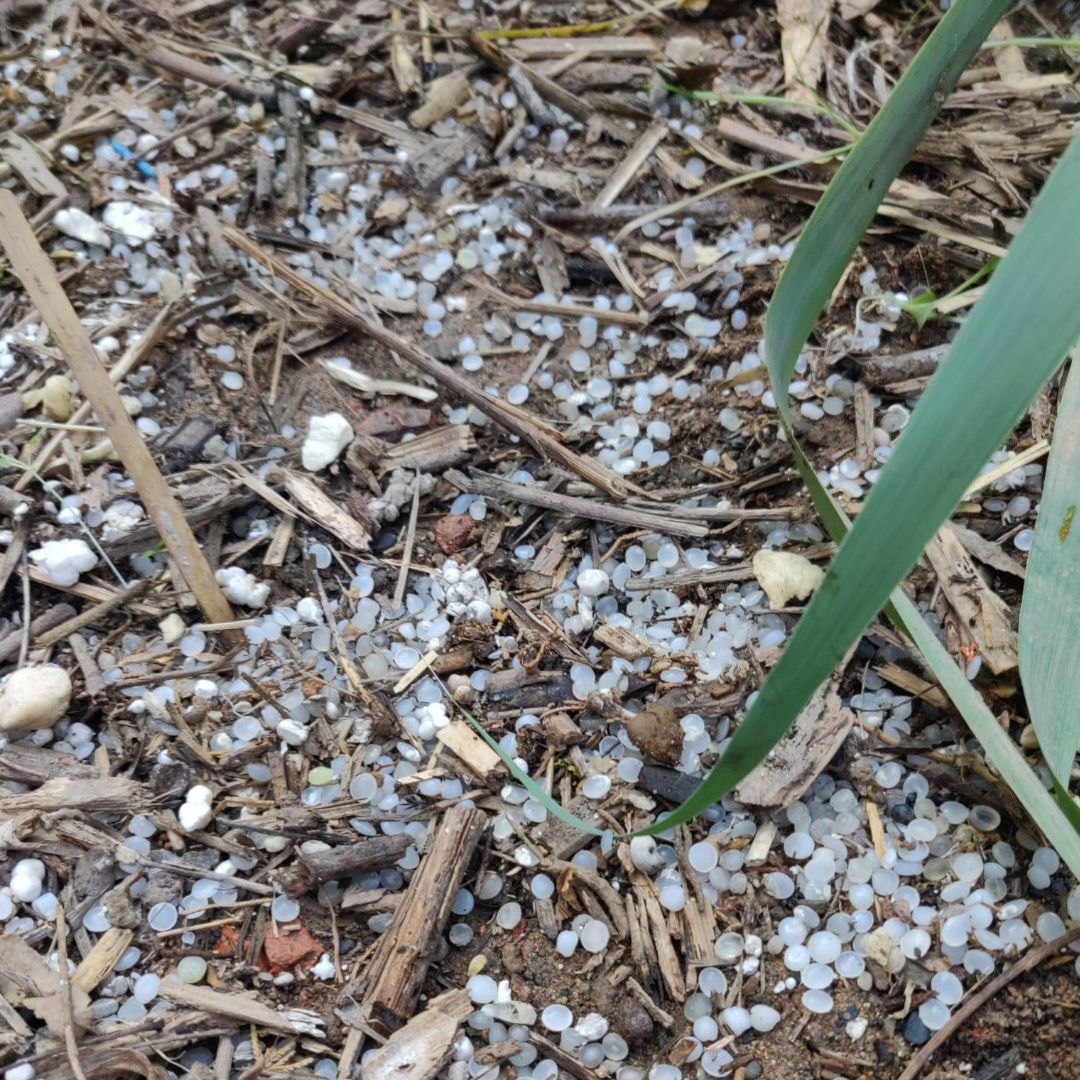
The Council of the European Union adopted on September 22, 2025, following a provisional agreement with the European Parliament, the Regulation aimed at preventing the loss of plastic pellets – also known as nurdles –throughout the supply chain, in order to reduce microplastic pollution.
A key step in the European policy of “zero pollution”.
The standard aims to establish enforceable obligations for operators involved in the handling, transport and processing of plastic pellets, from production to container cleaning, including maritime transport (Article 1).
Currently, pellet losses are estimated to be the third largest source of unintentionally released microplastics into the environment in the European Union (Recital No. 5).
Scope and main obligations
The Regulation will apply to economic operators handling plastic pellets in quantities equal to or greater than five tons in the previous year, to economic operators engaged in the cleaning of pellet containers and tanks, to transporters (EU and non-EU) operating on EU territory, and to shippers, operators, agents and masters of vessels transporting pellets in containers entering or leaving a port of a Member State, or calling at a port (Article 1.2).
This standard generally requires that these parties ensure that losses are prevented; if they do occur, the standard requires that immediate measures be taken to contain and clean them up (Article 3.1). Likewise, operators must notify the competent authorities of each Member State of each of the installations in that State that they operate or control, specifying whether the notified installation handles quantities of less than, equal to or greater than 1500 tons of pellets per year. In addition, prior to transporting plastic pellets for the first time in the Union, an obligation is established for transporters to notify the competent authorities of the Member State in which the transporter is established of their involvement (Article 3.2).
This standard also establishes a series of obligations for economic operators regarding the handling of plastic pellets. These include the development of a risk management plan for each installation, taking into account the nature, size of the installation and scale of its operations; the installation of the equipment and the implementation of the procedures provided for in the risk management plan; or the notification of this management plan to the competent authority (Article 5.1). It also obliges economic operators, EU transporters and non-EU transporters to ensure that their personnel are properly trained to comply with the Regulation and to keep a record of the estimated annual amount of losses and the total quantities of plastic pellets handled (Article 5.6).
With regard to maritime transport, specific obligations are established, such as the use by shippers of good quality packaging that can withstand shocks and loads, or the positioning of containers containing plastic pellets below the ship’s deck, or as far as possible, on board in sheltered areas of exposed decks (Article 12).
Certification
Article 6 establishes a mandatory certification system for companies handling more than 1,500 tons of plastic pellets per year, in order to ensure that their processes comply with the environmental and safety requirements set out in Annex I. In essence, large companies will have to obtain a certificate every three years, medium-sized companies every four years and small companies every five years, within the deadlines established as from the entry into force of the Regulation. This certificate, issued by an authorized certifier following on-site inspections, will certify that the facilities have an adequate risk management plan to prevent, contain and clean up possible leaks or losses of slurry. This plan must include a site map, identification of risk areas, handling and clean-up procedures, equipment used and the roles of responsible personnel.
However, those companies handling less than 1,500 tons per year are excluded from these more ambitious obligations, being subject only to lesser obligations, such as notifying the competent authority of the Member State in which the facility is located of an update of the risk management plan and renewing a responsible declaration every five years.
Legal implications and next steps
As this is a Regulation, it will be directly applicable in all Member States once it is published in the Official Journal of the European Union. It will enter into force 20 days after its publication. Many of the provisions will be applicable 24 months after entry into force (e.g. the obligations concerning the handling of plastic pellets in Article 5). For the provisions relating to maritime transport, a transitional period of 36 months is foreseen.
From a legal point of view, the regulation introduces a new standard of care for the handling of plastic raw materials. It also lays the groundwork for possible sanctions (Article 20), over and above the obligations imposed on Member States by Directive (EU) 2024/1203 of the European Parliament and of the Council on the protection of the environment through criminal law.
Overall, the new EU Regulation on plastic pellet losses represents a significant step forward in the prevention of microplastic pollution. However, the reduced obligations for companies handling less than 1,500 tons of pellets per year should be criticized.